
The rise of skill-based casino gaming and hybrid arcade experiences
Walk into a casino today, and something feels… different. Sure, the slots are still there—glittering, hypnotic, relentless. But there’s a new buzz in the air. It’s not just the clatter of coins or the digital jingle of a jackpot. It’s the sound of agency. Players are leaning in, making choices, and—honestly—having more fun. Welcome to the rise of skill-based casino gaming and hybrid arcade experiences.
This isn’t your grandpa’s one-armed bandit. It’s a full-blown revolution. And it’s happening right now, in Vegas, in Atlantic City, and on your phone. Let’s break it down.
What exactly is skill-based casino gaming?
Well, it’s pretty simple. Traditional slots are pure luck. You push a button, and the RNG (random number generator) decides your fate. Skill-based games? They mix that luck with… you guessed it—skill. Think of it like this: imagine a slot machine that suddenly turns into a round of Angry Birds or a quick puzzle game. Your ability to aim, time, or strategize actually affects the payout.
Here’s the deal: these games appeal to a younger crowd. Millennials and Gen Z grew up on video games. They want to do something, not just watch reels spin. And casinos are finally listening.
The mechanics behind the magic
Most skill-based games follow a hybrid model. You’ve got a base game—maybe a slot or a video poker variant—that triggers a bonus round. That bonus round? It’s a mini-game. A shooting gallery. A racing challenge. A memory match. Your performance in that round determines your multiplier or extra credits.
Some games even let you practice. Yeah, you heard that right—practice mode. Because the casino knows: the better you get, the more you play. And the more you play, the more they win… eventually. It’s a delicate dance between player agency and house edge.
Hybrid arcade experiences: where nostalgia meets modern gambling
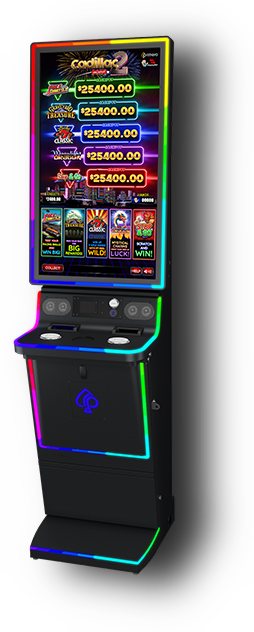
Now, let’s talk about hybrid arcade experiences. This is where things get really interesting. Picture a physical arcade cabinet—like the ones from the ’80s—but with a gambling twist. You’re not just winning tickets for a plastic dinosaur. You’re winning real cash.
These machines are popping up in dedicated zones. They look like a mix between a Dave & Buster’s and a high-limit slot area. Neon lights. Joysticks. Big screens. And the games? They’re familiar: Pac-Man with a betting interface. Space Invaders where each alien shot costs a quarter—but you can win back $50.
Key takeaway: Hybrid arcades are designed to lower the intimidation factor. New gamblers walk in, see a game they recognize, and feel comfortable. It’s a gateway drug, sure, but a fun one.
Why this trend is exploding right now
Honestly, it’s a perfect storm. Three big forces are driving this:
- Demographics shift: Older slot players are aging out. Casinos need fresh blood. Skill-based games attract 25-to-40-year-olds who grew up on consoles.
- Tech advancements: Modern cabinets have touchscreens, haptic feedback, and cloud connectivity. They can update games overnight—like a mobile app.
- Regulatory changes: Some states are loosening laws to allow skill-based elements. New Jersey, for example, has been a testing ground.
And let’s not forget the pandemic effect. People craved social interaction. Arcade-style games—especially multiplayer ones—scratch that itch.
Real-world examples: who’s doing it right?
You want names? Sure. Let’s look at a few standouts.
| Game / Platform | Developer | Skill Element |
|---|---|---|
| Danger Arena | GameCo | First-person shooter, aim-based |
| Pac-Man Battle Royale | Bandai Namco / Gamblit | Multiplayer maze racing |
| Space Invaders: Skill Edition | Play Mechanix | Timed shooting, accuracy |
| Virtual Horse Racing | Various | Handicapping, timing bets |
GameCo’s Danger Arena is a perfect example. You sit in a chair, grab a light gun, and shoot targets. The better your aim, the bigger your payout. It feels like a carnival game—but with real stakes. And it’s in places like the MGM Grand.
Then there’s Gamblit Gaming. They licensed classic arcade titles and turned them into gambling machines. Pac-Man with a credit meter? Yes, please. It’s surreal—and oddly addictive.
But wait—is it really skill? Or just luck dressed up?
Here’s the thing: critics argue that these games are still rigged in the casino’s favor. And they’re not wrong. The house always has an edge. But the key difference is perception. Players feel like they have control. And that feeling—illusion or not—keeps them engaged.
In fact, studies show that skill-based slots increase “time on device” by up to 30%. People play longer because they’re not just waiting for a random win. They’re practicing, improving, and chasing that high score.
Bold claim: The future of casino gaming isn’t about luck. It’s about mastery. Even if the mastery is just a well-timed button press.
The hybrid experience beyond the casino floor
This trend isn’t limited to physical casinos. Online platforms are jumping on board too. You’ve got social casinos—like Chumba Casino—that use sweepstakes models to offer skill-based mini-games. And mobile apps? They’re blending match-3 puzzles with slot mechanics. Think Candy Crush meets Wheel of Fortune.
Even esports is getting in on the action. Some platforms let you bet on your own performance in a game of Fortnite or Rocket League. It’s a gray area, legally, but the demand is real.
What about the social aspect?
Oh, it’s huge. Hybrid arcades often have leaderboards. You can see your friend’s score. You can trash-talk. You can compete for a “high score of the night” bonus. That’s something a traditional slot machine can’t offer—not really.
And let’s be honest: gambling is often a solitary activity. Skill-based games turn it into a party. That’s why you’re seeing bars and lounges install these machines. It’s a natural fit.
Challenges and growing pains
It’s not all smooth sailing. Regulators are still figuring out how to classify these games. Are they slot machines? Arcade games? Something in between? The legal framework is patchy.
There’s also the issue of addiction. Skill-based games can be more psychologically gripping. The “near miss” effect is stronger when you feel like you almost nailed that shot. Some experts worry this could lead to problem gambling, especially among younger players.
And then there’s the cost. These machines are expensive to develop and maintain. A single hybrid cabinet can cost $20,000 or more. Not every casino wants to take that risk—especially when traditional slots are still printing money.
Where is this all heading?
Honestly? I think we’re just scratching the surface. Imagine VR casinos where you walk around a digital arcade, picking games with your hands. Imagine AI that adapts the difficulty to your skill level—keeping you in the “flow zone” where you’re challenged but not frustrated. Imagine betting on your own performance in a game of Beat Saber.
It’s not science fiction. It’s already being tested in private labs. The line between gaming and gambling is blurring—fast. And for a generation that grew up with controllers in their hands, that’s not scary. It’s exciting.
So next time you’re in a casino, skip the rows of slots for a minute. Find that neon-lit corner with the joysticks and the leaderboard. Drop a twenty. See if you’ve still got the reflexes. You might just walk away with more than you came with—or at least, a better story.
Because in the end, skill-based gaming isn’t just about winning money. It’s about winning on your own terms. And that… that’s a bet worth taking.