

Adapting traditional Indian rummy for online tournaments
There’s something about the clatter of cards on a wooden table. The smell of chai. The way your uncle squints when he’s bluffing. Traditional Indian rummy isn’t just a game—it’s a ritual. But here’s the thing: that ritual is now migrating to screens. And honestly? The transition isn’t as smooth as a perfect pure sequence. It takes work. Real work. Let’s talk about how we’re adapting traditional Indian rummy for online tournaments without losing its soul.
Why the shift matters
India’s online gaming market is exploding. By 2025, it’s projected to hit over $7 billion. Rummy—especially the 13-card variant—is a massive chunk of that. But here’s the catch: online tournaments feel different. You don’t have the physical tells. You can’t read a player’s hesitation. So how do you keep the essence alive? You adapt. Not just the rules, but the vibe.
Think of it like this: a movie adaptation of a beloved book. You can’t copy every page. You capture the spirit. Same with rummy. The core—melding sets, sequences, the thrill of a wild card—stays. But the delivery? That’s where the magic happens.
The core mechanics that must survive
First things first. Traditional Indian rummy has a few non-negotiables. If you lose these, you lose the game. Here’s what online tournaments absolutely need to preserve:
- The 13-card deal — No shortcuts. Each player gets 13 cards. Period.
- Two sequences required — At least one pure sequence. This is the backbone of the game.
- Joker mechanics — Both printed jokers and wild cards. They add chaos and strategy.
- Draw and discard — The rhythm of picking from the closed deck or the open pile. That tactile decision.
- Declaration — The moment of truth. Show your hand or risk a penalty.
In online tournaments, these rules are easy to code. But the feel? That’s harder. You need animations that mimic the shuffle. Sound effects that echo a card slap. Tiny details that trigger memory.
Timers and pressure: a necessary evil
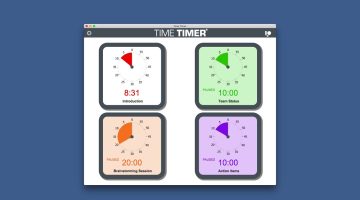
In a physical game, you can take your time. Sip your tea. Stare at your cards. Online? There’s a clock. Most tournaments use a 30-second timer per turn. That’s a big shift. It changes strategy. Players can’t overthink. They have to trust instinct. Some purists hate it. But honestly, it adds a new layer of tension—like a ticking bomb under the table.
Sure, you could remove timers. But then tournaments drag on forever. The sweet spot? A 20- to 30-second limit with a small grace period for lag. That’s fair.
Visual and UX adaptations that feel familiar
Let’s talk about the screen. You know what kills the mood? A cluttered interface. Traditional rummy is simple—a table, some cards, your hands. Online, you’ve got chat boxes, leaderboards, ads sometimes. It’s overwhelming. Good tournament platforms strip that down. They use warm colors—think deep greens and golds, like a classic card room. Cards should have a slight texture. Maybe a subtle shadow when you hover.
Here’s a little trick: some platforms now use “card whisper” sounds. A soft rustle when you pick a card. A crisp snap when you discard. It’s silly, but it works. It tricks your brain into feeling the physicality.
Multi-table tournaments: the double-edged sword
In physical rummy, you play one game at a time. Online? You can juggle multiple tables. It’s efficient, sure. But it fragments attention. Some players love the rush. Others feel disconnected. The adaptation here is in the UI—clear color-coded borders for each table, quick-switch shortcuts, and a “focus mode” that hides other tables. Because honestly, nobody wants to miss a pure sequence because they were staring at the wrong screen.
Social features: recreating the banter
Half the fun of traditional rummy is the trash talk. The “oh, you picked that card?” looks. The victory dance. Online, you lose that. So platforms add chat. But plain text feels cold. Emojis help. Some tournaments use quick-phrases like “Nice play!” or “Unlucky!”. But here’s the thing—too much chat slows the game. It’s a balance.
I’ve seen platforms try voice chat. It’s… messy. People shouting, background noise. A better adaptation? “Emote reactions”—a small pop-up of a laughing avatar or a shocked face. It’s quick. It’s human. And it doesn’t break the flow.
Scoring and fairness in the digital realm
In a physical game, scoring is manual. Prone to errors. “Wait, I had 29 points, not 32!” Online, it’s automatic. That’s a win. But there’s a catch: algorithm transparency. Players need to trust the random number generator (RNG). If a player loses five times in a row, they’ll suspect rigging. Good platforms publish their RNG certification. They show shuffle logs. They explain how wild cards are chosen. It’s boring, but it builds trust.
Also, tournament scoring often uses a points-based system. Traditional rummy uses a “chip” system or “cash per point”. Online, you need clear conversion. A table like this helps:
| Traditional system | Online adaptation |
|---|---|
| Winner takes all chips | Points leaderboard + prizes |
| Penalty for dropping | Automatic deduction from score |
| Manual scorekeeping | Real-time auto-calculation |
| Physical cash settlement | Digital wallet with secure payouts |
It’s not perfect. But it’s close.
Mobile first? Or desktop king?
Here’s a debate. Traditional rummy is played sitting down. On a table. Online tournaments are mostly mobile now—over 70% of players use phones. That changes everything. Thumbs replace fingers. Tiny screens replace a full layout. The adaptation? Vertical card stacks instead of horizontal spreads. Swipe to discard. Tap to sort. It’s intuitive, but it takes getting used to. Some older players struggle. So platforms offer a “classic view” option—a horizontal layout that mimics a physical hand. It’s a small gesture, but it respects the tradition.
Tournament formats: from knockouts to leagues
Physical rummy tournaments are usually knockout style. You lose, you’re out. Online, you see more variety. Round-robin leagues. Points-based marathons. Freerolls with buy-ins. It’s a buffet. And honestly, it works. Players can choose their pace. The key is to keep the structure simple. Nobody wants to read a 10-page rulebook before joining a tournament. A quick tutorial—30 seconds—is better. Show them the sequence requirement. The joker rule. Then let them play.
One trend I love? “Live dealer” rummy. A real person shuffles cards on camera. You watch the deck. It’s slow, but it feels authentic. It’s a bridge between the old and the new.
The psychological shift: from patience to pace
Traditional rummy rewards patience. You wait. You observe. Online tournaments reward speed. You have to think fast. That’s a tension. Some players adapt by using “quick sort” features—the app arranges your cards by suit or sequence. Others refuse, calling it cheating. It’s not cheating. It’s just… different. The adaptation is about mindset. You’re not playing your uncle anymore. You’re playing a stranger from Mumbai who’s already won three tournaments today. The stakes feel higher. The rhythm is faster. And that’s okay—if you embrace it.
A final thought on tradition vs. innovation
Adapting traditional Indian rummy for online tournaments isn’t about replacing the old. It’s about translating it. The card clatter becomes a sound file. The uncle’s smirk becomes an emoji. The chai break becomes a 60-second pause between rounds. It’s not the same. It never will be. But it’s still rummy—if you squint a little, and if the developers care enough. The best platforms don’t just copy the rules. They copy the feeling. And that’s the real trick. Because at the end of the day, whether you’re holding paper or pixels, the goal is the same: meld your cards, declare your hand, and feel that tiny rush of victory.