
Cultural themes in modern slot design and player psychology
You ever sit down at a slot machine—or, more likely, open an app on your phone—and wonder why you’re suddenly drawn to ancient Egypt or a neon-lit Japanese street? It’s not an accident. Modern slot design is a masterclass in cultural psychology. Developers aren’t just spinning reels; they’re weaving narratives that tap into deep, almost primal parts of our brains. Let’s pull back the curtain a bit.
The cultural palette: why themes matter more than you think
Honestly, the days of plain cherries and bells are long gone. Today’s slots are immersive worlds. And the themes? They’re carefully chosen to resonate with specific cultural memories or fantasies. Think about it: a Viking raid theme triggers associations of strength and conquest. A Chinese New Year slot taps into luck, prosperity, and collective celebration. These aren’t random choices—they’re psychological hooks.
Here’s the deal: our brains are wired for pattern recognition and storytelling. When a slot uses a familiar cultural motif—like the Aztec calendar or a European fairy tale—it lowers our defenses. We feel a sense of comfort, even nostalgia. That comfort makes us more likely to play longer. It’s a subtle nudge, but it’s powerful.
From myth to money: the psychology of archetypes
Carl Jung would have a field day with modern slot design. Archetypes—like the Hero, the Magician, or the Outlaw—are everywhere. A slot themed around Robin Hood? That’s the Outlaw archetype, promising rebellion and reward. A Cleopatra game? That’s the Ruler archetype, dripping with luxury and power. These archetypes trigger emotional responses before you even spin. You’re not just playing for coins; you’re stepping into a story where you’re the protagonist.
And here’s where it gets interesting: players often don’t realize they’re responding to these cues. They just feel “drawn” to a game. That’s the psychology at work—smooth, silent, and effective.
Regional flavors: how culture shapes the reels
Slot designers aren’t one-size-fits-all. A game that crushes it in Japan might flop in Brazil. Why? Because cultural values differ. Let’s break it down a bit.
| Region | Common Theme | Psychological Trigger |
|---|---|---|
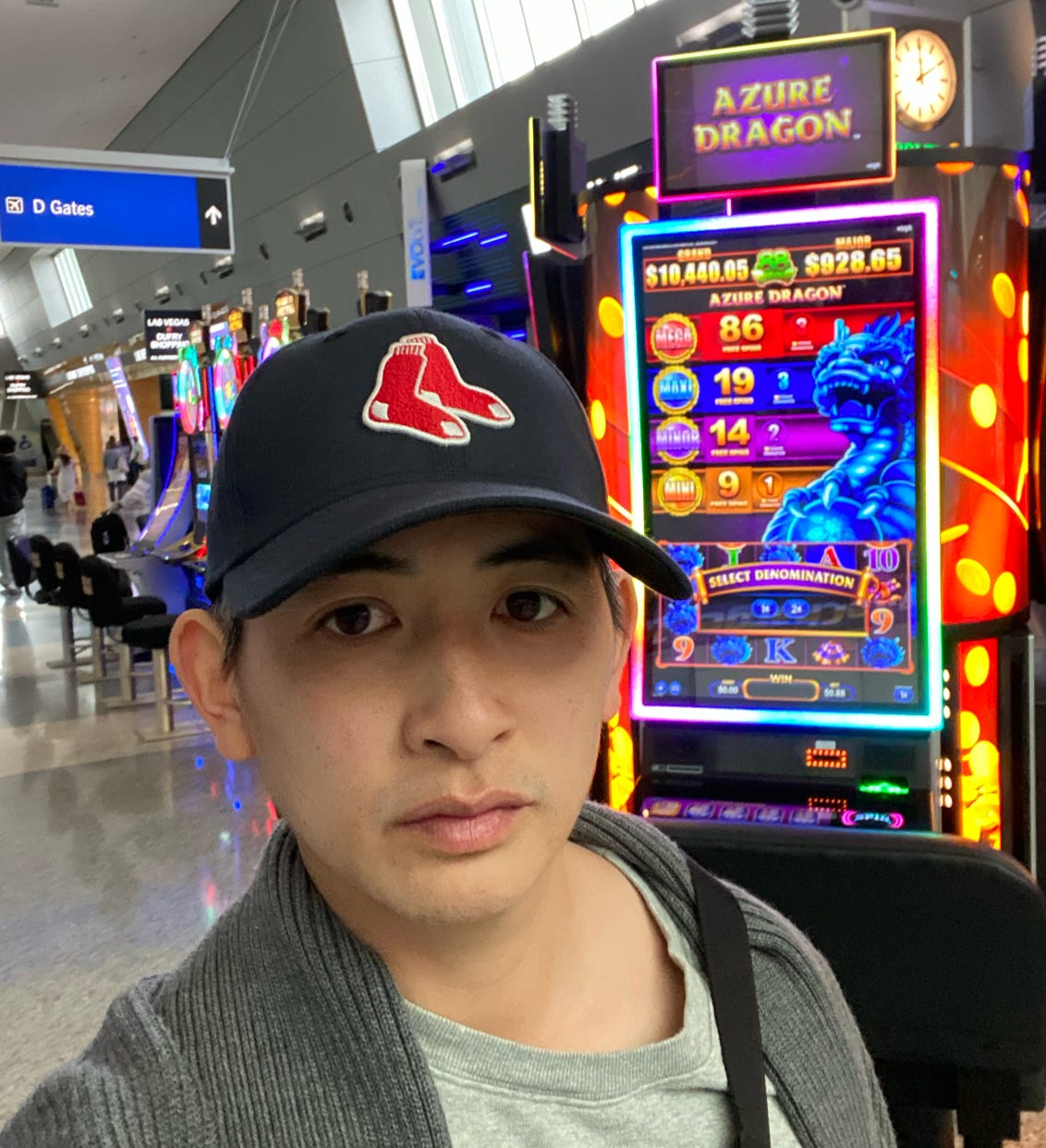
| Asia-Pacific | Dragons, koi fish, lucky numbers (8) | Superstition, collective luck, harmony |
| Europe | Medieval knights, folklore, royalty | Tradition, nostalgia, class aspiration |
| North America | Wild West, Hollywood, sports | Individualism, risk-taking, fame |
| Latin America | Fiestas, tropical jungles, Aztec gold | Vibrancy, escapism, hidden treasure |
Notice something? The themes aren’t just decorative—they’re mirrors. They reflect what a culture values or fears. In Asia, where luck is often seen as communal, you’ll see more shared bonus rounds. In the U.S., where independence is king, you get solo jackpot chases. It’s subtle, but it’s there.
The “familiar exotic” trick
Here’s a clever twist: designers sometimes blend cultures. Ever see a slot that mixes Norse mythology with Japanese samurai? It’s jarring, but it works. Why? Because it creates a sense of the “familiar exotic.” You recognize the elements, but the combination feels fresh. This keeps the brain engaged—it’s not bored, but it’s not overwhelmed either. It’s a Goldilocks zone for attention.
Sure, sometimes it feels a bit forced. But when it clicks? Players stay longer. And that’s the name of the game.
Player psychology: the hidden levers
Alright, let’s get into the messy stuff—the psychology. Slots are designed to exploit a few key cognitive biases. And yes, “exploit” is a strong word, but it’s accurate. Let’s look at three big ones.
1. The near-miss effect
You know that moment when the reels stop, and you’re one symbol away from a jackpot? That’s not bad luck—it’s by design. The near-miss triggers dopamine in the brain, almost like a win. It makes you want to try again. Culturally, this is often paired with themes of “almost there” — like a treasure map with an X that’s just out of reach. It’s frustrating, sure, but it’s also addictive.
2. Sunk cost fallacy
We’ve all been there: you’ve played for 20 minutes, lost a bit, but you think, “I can’t leave now—I’ve invested too much.” That’s the sunk cost fallacy. Designers lean into this by using cultural themes that emphasize persistence—like a samurai’s honor or a miner’s grit. The theme reinforces the behavior. You’re not just losing money; you’re being “brave.” It’s a narrative trick.
3. The illusion of control
Many modern slots let you “choose” your path—pick a bonus round, select a lucky charm, or spin with a special feature. This gives you a false sense of control. Culturally, this works especially well in individualistic societies. The theme might be a “quest” where you’re the hero making choices. But the outcome is still random. The brain doesn’t care—it feels empowered.
And hey, that feeling? It’s why you keep hitting that spin button.
Sound, color, and symbolism: the sensory cocktail
It’s not just the story—it’s the sensory package. Colors are chosen based on cultural associations. Red for luck in China? You’ll see it everywhere. Gold for wealth? That’s universal. Sound effects mimic cultural music—think pan flutes for Incan themes, or taiko drums for Japanese ones. These cues bypass language and speak directly to emotion.
Symbolism is even trickier. A lotus flower in a Thai-themed slot isn’t just pretty—it represents purity and rebirth. A player might not consciously know that, but the subconscious picks it up. It adds a layer of meaning that makes the game feel deeper. And deeper games keep you engaged.
The ethical tightrope
Let’s be real for a second—this is a bit of a double-edged sword. Using cultural themes to influence player psychology is… well, it’s effective, but it can be manipulative. Some argue that it preys on vulnerable players. Others say it’s just good design. I’m not here to take a side, but it’s worth noting that responsible design matters. The best slots use cultural themes to enhance entertainment, not to trick players into spending more.
That said, the industry is slowly moving toward more transparency. Features like session timers and loss limits are becoming common. But the psychology? It’s not going away. It’s too effective.
Where we’re headed: the future of cultural slots
What’s next? I’m seeing a rise in hyper-localized themes—slots based on specific city landmarks or regional myths. Imagine a slot set in your hometown’s old market, with local folklore characters. That’s powerful. Also, expect more cross-cultural mashups, like cyberpunk meets ancient mythology. The goal is to keep the brain guessing while still feeling familiar.
And with AI, we might see slots that adapt themes in real-time based on your play style. Creepy? Maybe. But also… kind of fascinating.
So next time you spin, take a moment. Look at the symbols. Listen to the music. Ask yourself: why does this theme feel so right? The answer might tell you more about yourself than you expect.
Because in the end, every spin is a story. And we’re all just looking for a good one.