
The History and Evolution of Blackjack Side Bets—and Their True Odds
You’re at the blackjack table, cards are dealt, and you’ve made your main bet. Then the dealer points to that little box on the layout: “Lucky Ladies? 21+3? Any side action?” It’s a tempting siren call. These side bets promise huge payouts for a tiny extra wager. But here’s the deal—they’re also where the house really stacks the odds in its favor.
Let’s dive into the winding history of blackjack side bets, how they’ve evolved from backroom gimmicks to digital mainstays, and, honestly, what those flashy pay tables are actually costing you. Knowing the true odds isn’t just about math; it’s about understanding the game’s hidden architecture.
Humble Beginnings: The First Side Wagers
Side bets weren’t always part of the official casino landscape. In fact, they started informally. Picture smoky, underground games in the early 20th century. Players would make private wagers amongst themselves on specific outcomes—like whether the dealer would bust or if someone would get a natural blackjack. It added a layer of camaraderie and extra excitement.
Casinos, always keen to monetize every possible angle, saw an opportunity. By the 1970s and 80s, they began formalizing these propositions, printing them right on the felt. The first widespread side bet was likely Insurance—which is really just a side bet that the dealer has a blackjack. It’s a classic, but with a house edge soaring near 7%, it set the tone for what was to come.
The 1990s Boom: Novelty and Technology Collide
This was the renaissance. With the rise of massive casino corporations and digital shuffling machines, new side bets proliferated like wildfire. The goal? To make blackjack feel new again and to boost the casino’s hold without scaring off players with higher table minimums on the main game.
Two iconic bets emerged in this era:
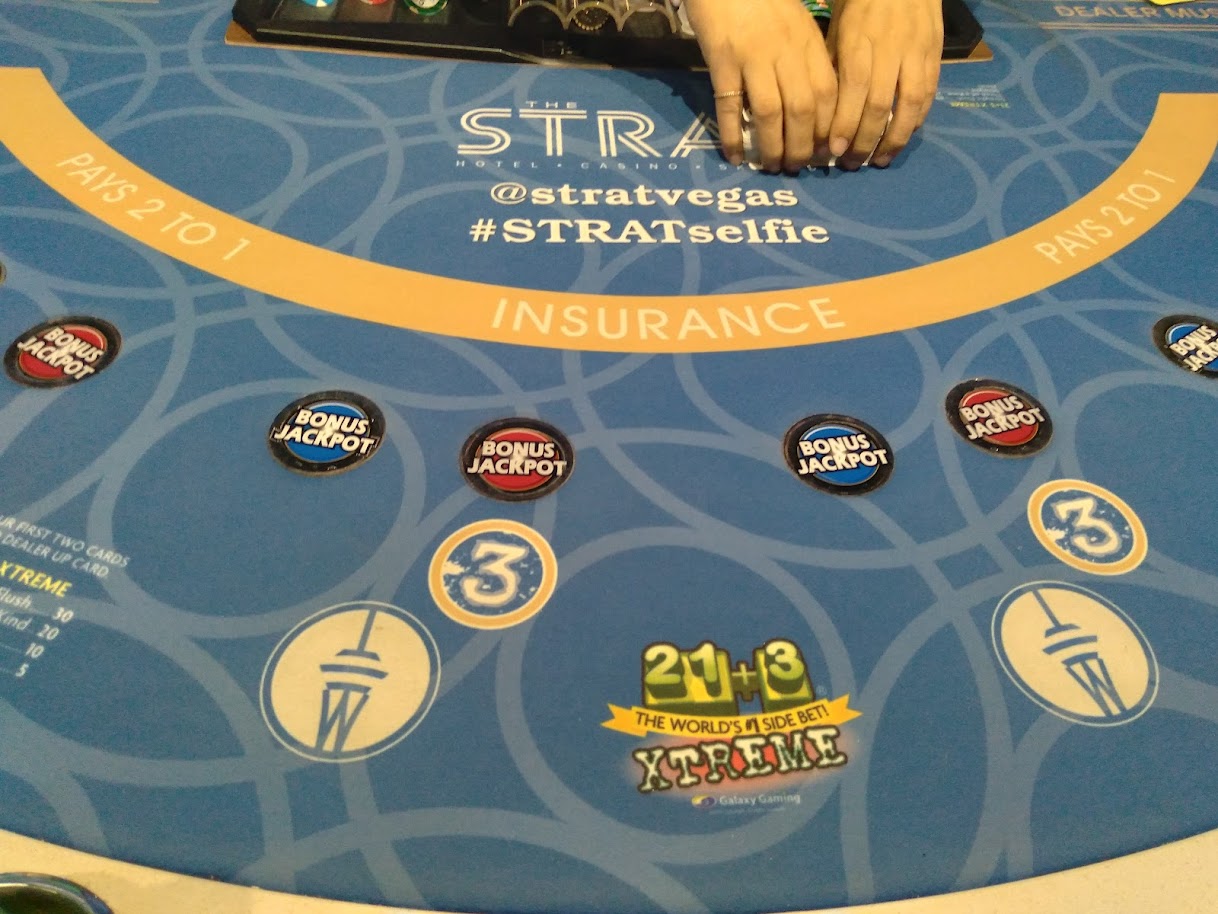
- 21+3: This combined your first two cards with the dealer’s up card to form a poker hand. A flush or straight paid out nicely. It felt familiar to poker players and was easy to understand.
- Perfect Pairs: A simple bet on whether your first two cards would be a pair. Mixed, colored, or perfect pairs each had their own payout, appealing to our love for symmetry.
These bets were mathematically perfect for the house. They offered the illusion of control—you’re still looking at your cards, after all—while being entirely dependent on the random fall of the deck. The house edge, well, it was comfortably high, often between 3-10% depending on the specific pay table. A far cry from the sub-1% edge possible with perfect basic strategy on the main game.
The Digital Age and Side Bet Proliferation
Online and live dealer casinos changed the game—literally. Without physical space constraints, software providers could invent endlessly. Side bets became a key product differentiator. You’d see names like Lucky Ladies, Bust It, Royal Match, and Top 3.
This era also introduced progressive side bets, like Super 4 or Jackpot Blackjack. These link tables or even entire networks to a growing jackpot, often for hitting specific, near-impossible hands (like suited 7-7-7). The dream of a life-changing win from a $1 side bet is powerful psychology. But the odds are appropriately astronomical, and the house edge on these progressives can be the steepest of all.
A Quick Reality Check: True Odds in a Nutshell
Let’s get concrete. The “true odds” refer to the actual probability of an event occurring. The “payout odds” are what the casino pays you. The gap is the house edge. Here’s a simplified look at common side bets, assuming a multi-deck game:
| Side Bet | Typical Winning Condition | Example Payout | Approx. House Edge |
| 21+3 (Standard) | Suited Three of a Kind | 100 to 1 | 3.2% – 8.0%* |
| Perfect Pairs | Perfect Pair (same rank & suit) | 25 to 1 | 4.1% – 6.5% |
| Lucky Ladies | Matched 20 (e.g., two Queen of Hearts) | 200 to 1 | Over 20% in some pay tables |
| Insurance | Dealer has blackjack | 2 to 1 | ~7.0% |
*The edge varies wildly based on the exact pay table. Always check the placard! A 21+3 bet paying 9:1 for a flush instead of 10:1? That small change adds a big chunk to the house edge. That’s the sneaky part.
For comparison, a player using perfect basic strategy on the main blackjack bet faces a house edge often below 0.5%. See the difference? Side bets are designed to be entertainment with a high premium.
Why We Keep Betting Anyway: The Psychology of the Side
If the odds are so poor, why are they on every table? Simple. They tap into our brain’s love for lottery-style payoffs. The main game of blackjack is a grind—a beautiful, strategic grind, but a grind nonetheless. Winning a hand might net you 1.5 times your bet.
A side bet? That $5 chip could win you $500. It creates a separate, thrilling narrative alongside the main game. It’s a low-cost ticket to a high-drama dream. Casinos aren’t selling math; they’re selling excitement and the “what if” moment.
The Modern Landscape: Know Before You Go
Today, side bets are utterly normalized. In live dealer studios, they’re brightly animated. In land-based casinos, they’re often mandatory on certain high-limit tables to increase action. The evolution is complete: from an underground afterthought to a central profit center.
So, should you ever make a blackjack side bet? Look, I’m not your boss. If you understand it’s a fun, expensive diversion—like buying a scratch-off ticket—go for it. Set a strict budget for “side bet money” separate from your main bankroll. But never, ever confuse it with strategic play.
The true odds are a cold shower of reality. They remind us that in the long run, the math always holds. The history of these bets is a history of casinos ingeniously packaging variance and selling it back to us as hope. And that’s a hand the house will always, ultimately, win.