
Responsible Rummy: Setting Limits and Healthy Play Habits
Rummy is one of those games that sneaks up on you. You sit down for a “quick round,” and suddenly the clock has spun forward two hours. It’s fun, sure — the thrill of arranging that perfect sequence, the quiet satisfaction of a well-timed discard. But like anything that hooks your attention, it deserves a bit of guardrails. That’s what responsible rummy is really about. Not guilt. Not restriction for its own sake. Just… awareness.
Whether you’re playing rummy online, at a family table, or in a casual club, the habits you build matter. Let’s walk through what healthy play actually looks like — and how to set limits that stick.
Why Limits Matter More Than You Think
Here’s the deal: rummy is a skill game at heart. It rewards memory, pattern recognition, and patience. But it also has a way of pulling you into “just one more hand” territory. That’s not a character flaw. It’s how games are designed — and how our brains respond to near-misses and small wins.
Setting limits isn’t about assuming the worst. It’s about protecting the things you enjoy outside the game too. Time with family. Sleep. Your budget. Honestly, a little structure makes the game more enjoyable, not less — because you’re not carrying a low-grade guilt in the back of your mind.
The Three Limits Every Rummy Player Should Set
You don’t need a spreadsheet or a life coach. Just three simple boundaries:
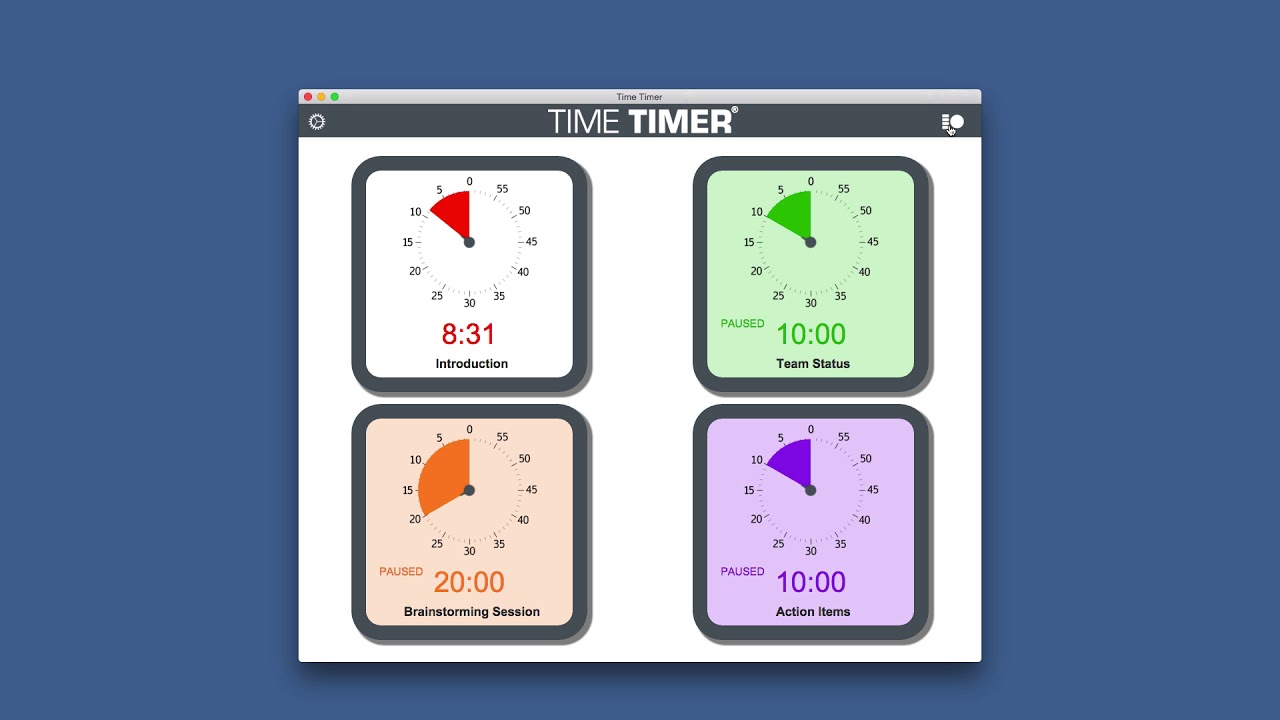
- Time limit — Decide how long you’ll play before you start. An hour? Two? Set a timer if needed.
- Money limit — If you’re playing for stakes, pick a number you’re comfortable losing. Not “okay with.” Comfortable with.
- Emotional limit — If you’re chasing losses or playing angry, that’s your cue to stop. No debate.
That third one is the sneaky one. Most people track time and money. Fewer track their mood. But tilt — that frustrated, reckless state — is where bad decisions live.
Healthy Play Habits That Actually Stick
Rules on paper are easy. Living them is another thing. So here are habits that tend to work in real life:
1. Play with a purpose, not on autopilot
Are you playing to relax? To sharpen your skills? To socialize? Knowing why you’re at the table changes how you play. It also makes it easier to walk away when the purpose is served.
2. Take real breaks
Not the “I’ll just scroll my phone for 30 seconds” kind. Actual breaks. Stand up. Stretch. Get water. Five minutes away resets your focus and keeps fatigue from clouding your judgment.
3. Never chase losses
This is the oldest trap in gaming. The belief that one big hand will fix everything. It rarely does. If you’ve hit your money limit, the session is over — win, lose, or draw.
4. Keep rummy in its lane
Rummy should be a hobby, not a coping mechanism. If you’re playing to escape stress, loneliness, or boredom every single day, that’s worth noticing. Not judging — noticing.
Warning Signs You Might Be Overdoing It
Most players never develop a problem. But it helps to know the signals, just in case. Ask yourself:
| Sign | What It Looks Like |
|---|---|
| Playing longer than planned | Regularly blowing past your time limit |
| Hiding play | Downplaying how much you play to family or friends |
| Mood swings | Irritability after losses, restlessness when not playing |
| Financial strain | Using money meant for bills or savings |
| Neglecting responsibilities | Skipping work, sleep, or social plans for rummy |
If two or more of these hit close to home, it’s worth taking a step back. Not forever. Just long enough to reset.
Tools and Features That Help
If you play rummy online, you’ve probably noticed platforms now offer built-in tools. Deposit limits. Session reminders. Self-exclusion options. These aren’t there to nag you — they’re there because the industry finally realized that sustainable players are happier players.
Use them. Set a weekly deposit cap. Turn on the reminder that pops up after 60 minutes. It feels small, but it works. Think of it like a seatbelt — you don’t plan to crash, but you wear it anyway.
Building a Balanced Rummy Routine
Here’s a simple framework that keeps rummy fun without letting it take over:
- Schedule it. Treat rummy like any other hobby — a set time slot.
- Pair it with something positive. Play after a workout, or during your weekly catch-up with friends.
- Track your sessions. A quick note on time spent and money in/out builds awareness fast.
- Have an exit ritual. A cup of tea, a short walk — something that signals “session done.”
That last one sounds a little woo-woo, I know. But rituals help your brain close the loop. Without them, it’s easy to drift into another round without realizing it.
The Long Game
Rummy is a game of patience. You wait for the right card. You hold your discard. You read the table. The best players aren’t the ones who play the most — they’re the ones who play well, and who know when to fold the session entirely.
Responsible play isn’t a buzzword. It’s the difference between a hobby that enriches your life and one that quietly erodes it. Set your limits. Respect them. And enjoy the game for what it is — a clever, social, deeply satisfying way to pass an hour or two.
Because honestly? The best rummy players aren’t the ones who never lose. They’re the ones who always walk away with something worth keeping — their time, their money, and their peace of mind.