
Creating a Personalized Practice Regimen Using Blackjack Simulation Software
Let’s be honest. Reading about basic strategy is one thing. Sitting at a real table—virtual or felt—with money on the line and the dealer staring you down? That’s a whole different ballgame. Your heart races. You second-guess that split. You forget the count. It happens to everyone at first.
That’s where a personalized practice regimen comes in. And the secret weapon for building one? Blackjack simulation software. Think of it not as a game, but as your own private training gym. A place where you can work on your weaknesses, build muscle memory, and develop a strategy that fits your specific goals—all without losing a single, real dime.
Why Generic Practice Just Doesn’t Cut It
You know the feeling. You drill basic strategy charts until you’re blue in the face, but then you hit a messy, multi-hand scenario and your brain just…freezes. Or maybe you understand card counting in theory, but keeping the count while managing your bet spread feels like juggling with too many balls.
A generic, one-size-fits-all approach to practice leaves these specific gaps wide open. It’s like trying to get fit by only ever doing the same three exercises. Sure, you’ll improve somewhat, but you’ll never address your unique sticking points. Blackjack simulation software hands you the keys to a fully customizable training environment. You can adjust the rules, the deck penetration, the speed—everything—to create the exact practice you need.
Laying the Foundation: Your Practice Audit
Before you even open the software, you’ve gotta do a quick self-audit. Be brutally honest. Where do you consistently falter? Here’s a common breakdown:
- The Basics Bruiser: You mostly know basic strategy, but soft hands (Ace-6, Ace-7) and pair splits still cause hesitation.
- The Counting Novice: You can keep the Hi-Lo count on a single deck, but throw in 6 decks and actual betting decisions? The wheels fall off.
- The Bankroll Bungler: Your strategy is solid, but your bet sizing is erratic—you either bet too timidly or chase losses aggressively.
- The Speed Bump: You make the right play…eventually. But at a live table, slow play can draw heat or just throw off your own rhythm.
Pinpoint your primary category. That’s your regimen’s starting line.
Crafting Your Custom Drills with the Software
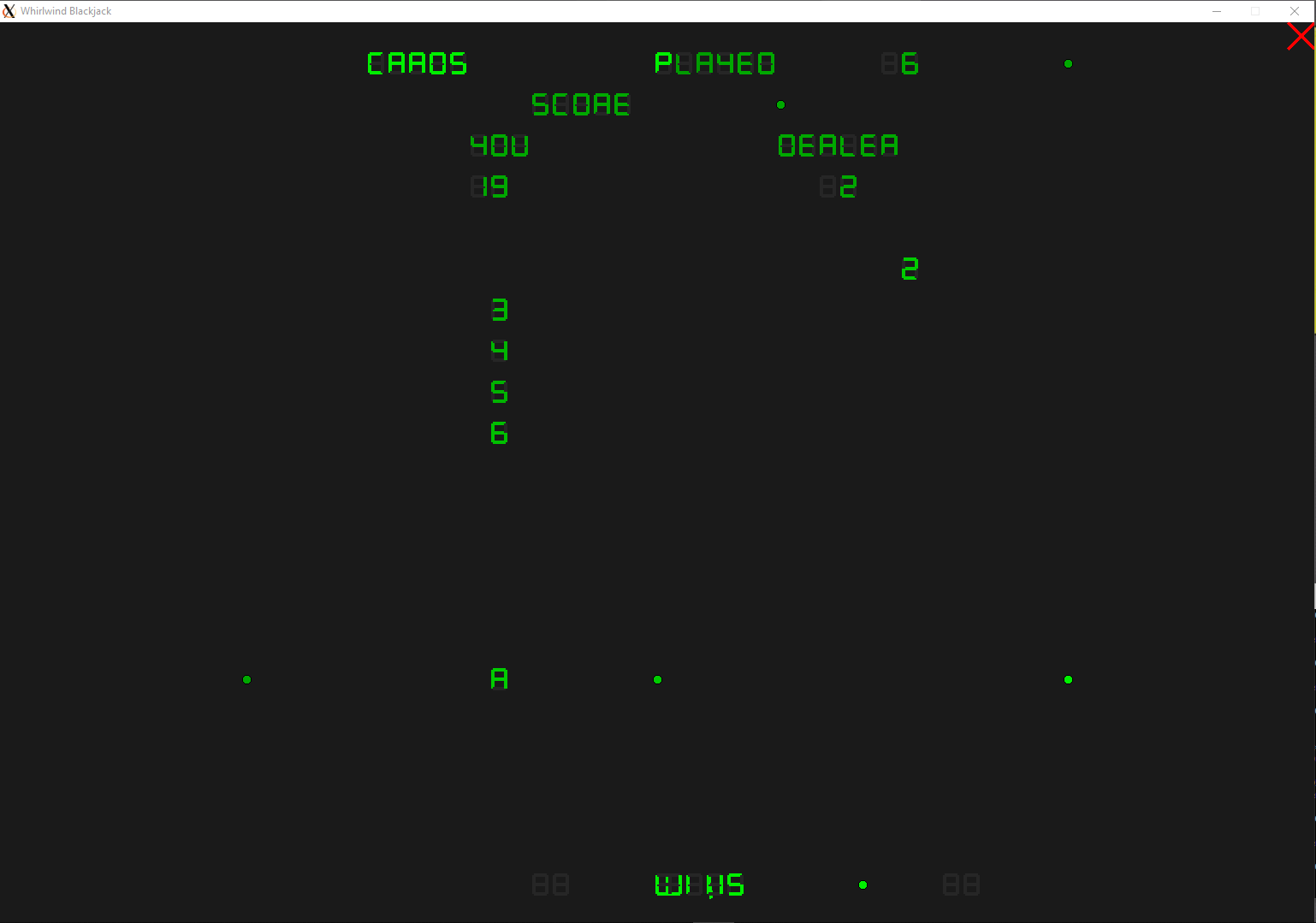
Okay, now the fun part. Let’s translate those weaknesses into targeted software drills. Most good simulators—think tools like Blackjack Apprenticeship’s Trainer, or CV Blackjack—have settings for this exact purpose.
Drill 1: Isolating Problem Hands
If soft 17 vs. a dealer 3 makes you sweat, don’t just play full rounds. Use the software’s “hand drill” or “training mode” to only be dealt those specific scenarios. Set it to repeat them. Fifty times. A hundred. Until your reaction becomes automatic, not analytical. It’s tedious, sure. But it’s how you build neural pathways.
Drill 2: The Counting & Betting Treadmill
For counting, start slow. Set the software to deal one hand at a time, with a nice, long pause. Just focus on the count. Once that’s effortless, remove the pause. Then, add in the betting decision—have the software hide the “correct” bet until after you’ve stated yours. Finally, the real test: enable multiple hands. Simulate the chaos of a busy table. Your brain will learn to compartmentalize.
| Drill Phase | Software Settings | Goal |
| Counting Only | Single hand, slow speed, betting hints ON. | Accuracy without pressure. |
| Counting + Betting | Normal speed, betting hints OFF. | Linking the count to bankroll action. |
| Table Simulation | Multiple hands (2-3), fast speed. | Simulating real casino floor pressure. |
Drill 3: Bankroll Stress Testing
This is where simulation software truly shines. Input your real, intended bankroll. Then, set the software to run thousands—or even millions—of hands under the rules you’ll face. Watch the graph. See the brutal downswings, the plateaus, the climbs. This isn’t about winning; it’s about exposure therapy. It teaches you, viscerally, that losing streaks are part of the math. When you see one in real life, you won’t panic and deviate. You’ll have already lived through it on your screen.
Structuring Your Weekly Practice Regimen
Consistency beats marathon sessions. Here’s a sample framework you can adapt. Honestly, even 20 focused minutes a day works wonders.
- Monday (Fundamentals): 10-min problem hand drill. 10-min basic strategy speed run.
- Tuesday (Counting Focus): 15-min counting drill at your current competency level. 5-min reviewing mistakes.
- Wednesday (Integration): Full simulation, counting and betting, at a slow pace. Focus on accuracy, not speed.
- Thursday (Pressure Cooker): Same as Wednesday, but crank the speed. Embrace the mistakes—they show you what to work on.
- Friday (Review & Sim): Run a 30-minute “session” with your full bankroll rules. Don’t judge the result. Just observe your decisions.
The key is to treat it like learning an instrument. You wouldn’t just play songs start to finish; you’d practice scales, then chord transitions, then finally a whole piece. This is the same.
The Human Element: What the Software Can’t Simulate
Alright, a crucial caveat. No software can replicate the cocktail waitress distracting you, the dealer’s chatter, or the anxiety of placing a max bet at a physical table. It can’t teach you camouflage techniques or how to handle pit boss scrutiny.
So, view the simulator as your foundational training. It makes the correct play instinctual. That frees up your mental bandwidth—your precious cognitive load—to handle the human elements when you’re live. You’re not thinking “should I hit or stand?” anymore. You’re thinking about your table image, or making casual conversation. That’s the ultimate edge.
Creating a personalized practice regimen with blackjack simulation software isn’t a magic bullet. It’s a mirror. It shows you, with cold, digital precision, exactly where your game is strong and where it’s fragile. The work is still yours to do. But for the first time, you’re not practicing in the dark. You have a spotlight, a map, and a measurable path forward. And that changes everything.